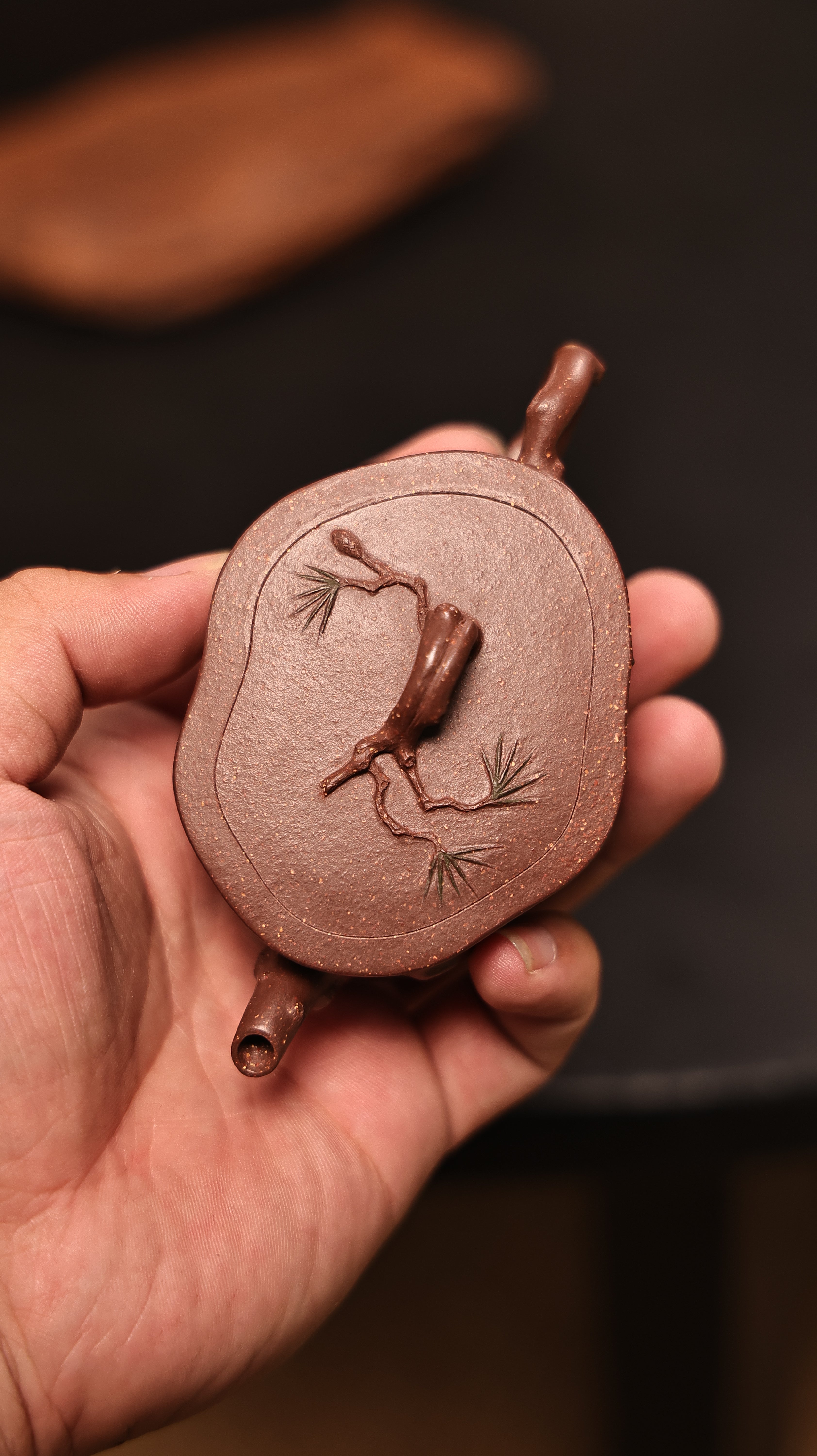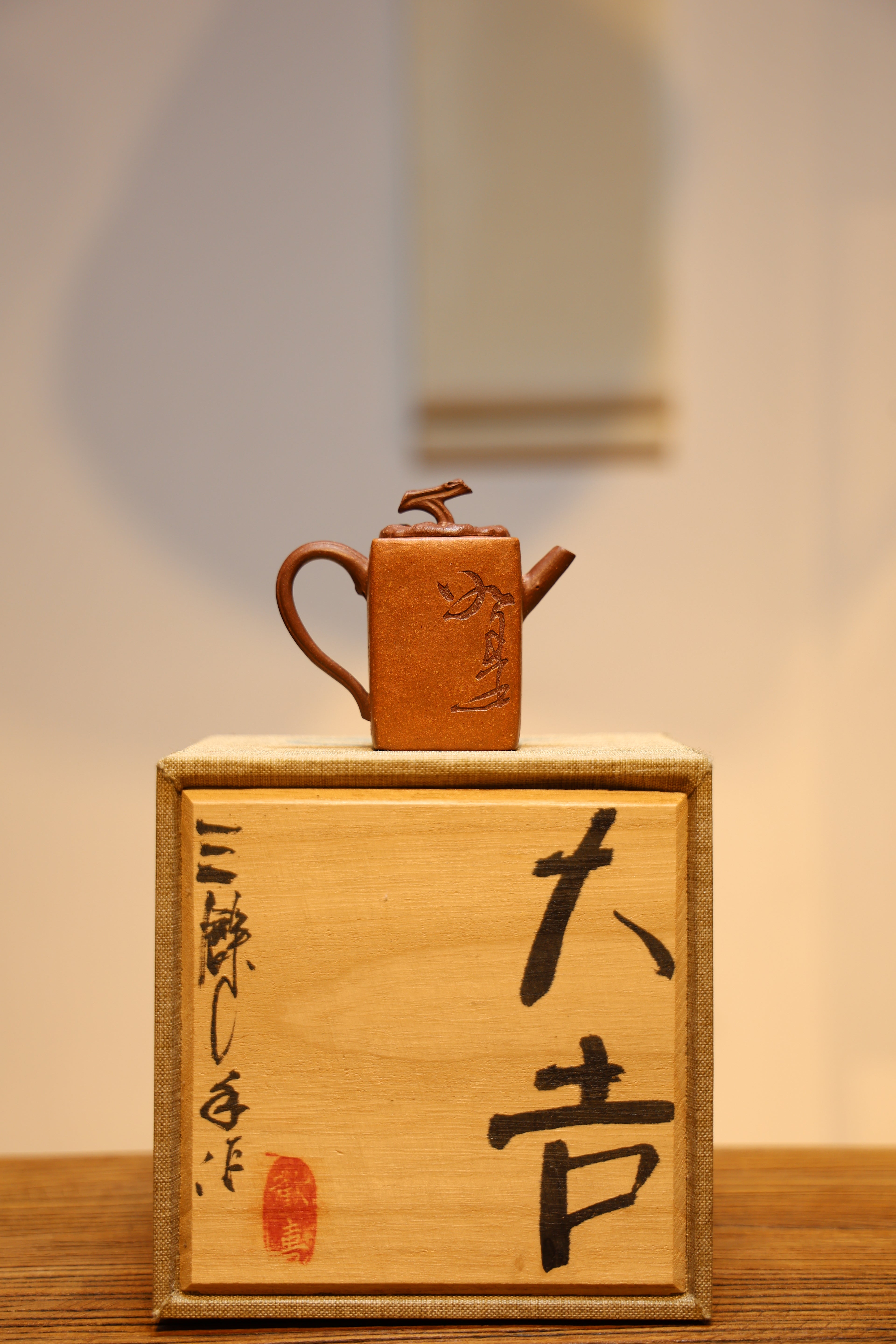
Kicking off an comprehensive study pertaining to 宜兴 Tz'u Sha ceramic kettles introduces special enchanting blend of craftsmanship alongside practicality.
Ihsing Zi Sha ceramic vessels boast one exceptional attraction within collectors internationally. The fascinating clay pots, produced from the specific Yixing location close to Jiangsu locale, China, stand as more than just infusion tools; they are recognized as works crafted beauty and cultural significance. Special finely classified clay, known designated as Zisha, imparts a refined flavor within the tea, and the intricate designs, often revealing traditional Chinese symbols, contribute to their inherent value. Possessing a genuine Yixing Zisha teapot presents a gratifying journey, demanding careful study and an awareness of the diverse factors influencing their singularity.
Investigating Yixing Vessels
Yixing pottery vessels boast a deep history deeply interwoven with Chinese identity. Originating in Yixing, Jiangsu territory, these pots are crafted from a unique, porous purple mineral found only in that exclusive location. Their development began during the Ming time, with master craftspeople refining the means over ages. Various types persist, including the classic Hexiang (resembling crab shells), Zhuni (red-brown hue), and Duan Ni (stone-studded) – each with distinctive traits. The cost of an Yixing ceramic Yixing Zisha Teapot vessel isn't solely based on its size or ornamentation, but also on the designer’s reputation, the soil's quality, and the teapot's age and condition. Devotees often seek out older examples, believing they impart the character of the beverage brewed within them over time, further adding to their distinction.- Crab Shell Brewing Vessels
- Earth-Toned Brewing Vessels
- Rock-Adorned Brewing Vessels
Zisha Teapot Mastery: Creation & Means
Such formation of Zisha teapots represents a height of Chinese ceramic mastery. Proficient artisans employ established techniques, often passed down through offspring, to unlock the full beauty of this unique clay. Procedures involve meticulous designing by hand, often combined with the building method, followed by precise curing at incredibly high temperatures in wood-fired kilns. Ornamenting is equally crucial; designers utilize inherent clay colors and may incorporate etching work to depict intricate scenes or patterns, demonstrating a profound expertise of the material’s qualities and spirit. The consequence teapot isn't merely a vessel for tea, but a testament to a deep cultural inheritance.
Traditional Teapots: One Summary to Yihsing 紫砂
Investigating the world of Traditional teapots generally starts with Yixing Zisha. These exceptional clay ceramics are formed from a specific type of clay mined only in the Yixing region of the Jiangsu area province. Distinguished for its typical reddish-purple hue and exceptional characteristics, Zisha clay offers a refined flavor to the drink and refines with age, evolving into a cherished collectible. Acquiring Yixing Zisha pottery is more than just retaining a gorgeous object; it’s a tribute of tradition and artistry.
Exploring such Clayware: Validity & Enhancement
Exploring the domain of Yixing Zisha containers can be highly worthwhile, but involves a discerning cognition. Validity is required; multiple counterfeits are available, routinely craftily fabricated. Training about ancestral curing systems, defining earth features, and the signatures of reputable manufacturers is fully essential. Besides, comprehending the details of the value trend – influenced by conditions such as antique consequence and the appearance of the item – is paramount to advantageous buying.
- Examining kiln trajectory.
- Requesting specialists for authentication.
- Estimating trading trends.
The Method of Infusing with a Purple Holder
That special allure of a Zisha teaware lies not just in its elegant appearance, but also in its notable impact on the flavor of the libation. These historic clay pots, sourced from distinctive regions of China, possess a intrinsic porosity that mildly interacts with the essence and leaves, imbuing the drink with a gentle character. Mastering the method requires a steadfast approach, understanding how the soil responds to different degrees and herbal types, ultimately leading to a sincerely rewarding drinking ceremony.
Conserving Your Artifact
Proper care of your Yixing container is vital to securing its lifespan. These extraordinary teapots, crafted from exceptional Yixing clay, accumulate a patina over periods that enhances their importance. Occasionally rinse the core with soft water, avoiding chemicals, and never use severe scrubbing tools. A gentle dusting with a soft cloth can support in eradicating marks. Allow your kettle to properly dry once each infusion
Decoding Terracotta: Elements This Clay Pots Exemplify Unique
The acclaimed appeal of Yixing teapots starts from the distinctive properties of Clay clay, harvested solely near Yixing, China. This outstanding clay, a type of ferruginous terra cotta , demonstrates a strange combination of substances that, as years pass, absorb the taste of the beverages it embraces. This generates a one-of-a-kind fragrance for each pot, transforming it a merit far outperforming its original price and resulting to their coveted status among devotees.
Unearthing the Appropriate Chinese Ceramic Vessel: A Yixing Clay Introduction
Venturing into the world of Zisha clay teapots can feel challenging, but understanding the foundations is necessary to acquiring a esteemed piece. This model of clay, sourced largely from the Yixing region, Jiangsu Province, is known for its special permeability and ability to augment the aroma of the brew over use. Evaluate the design, the shade, and the appearance; a authentic Zisha teapot is more than just a container; it's a beautiful creation and a representation of Chinese culture. Look for the symbol of the creator for clues to its source and potential cost.