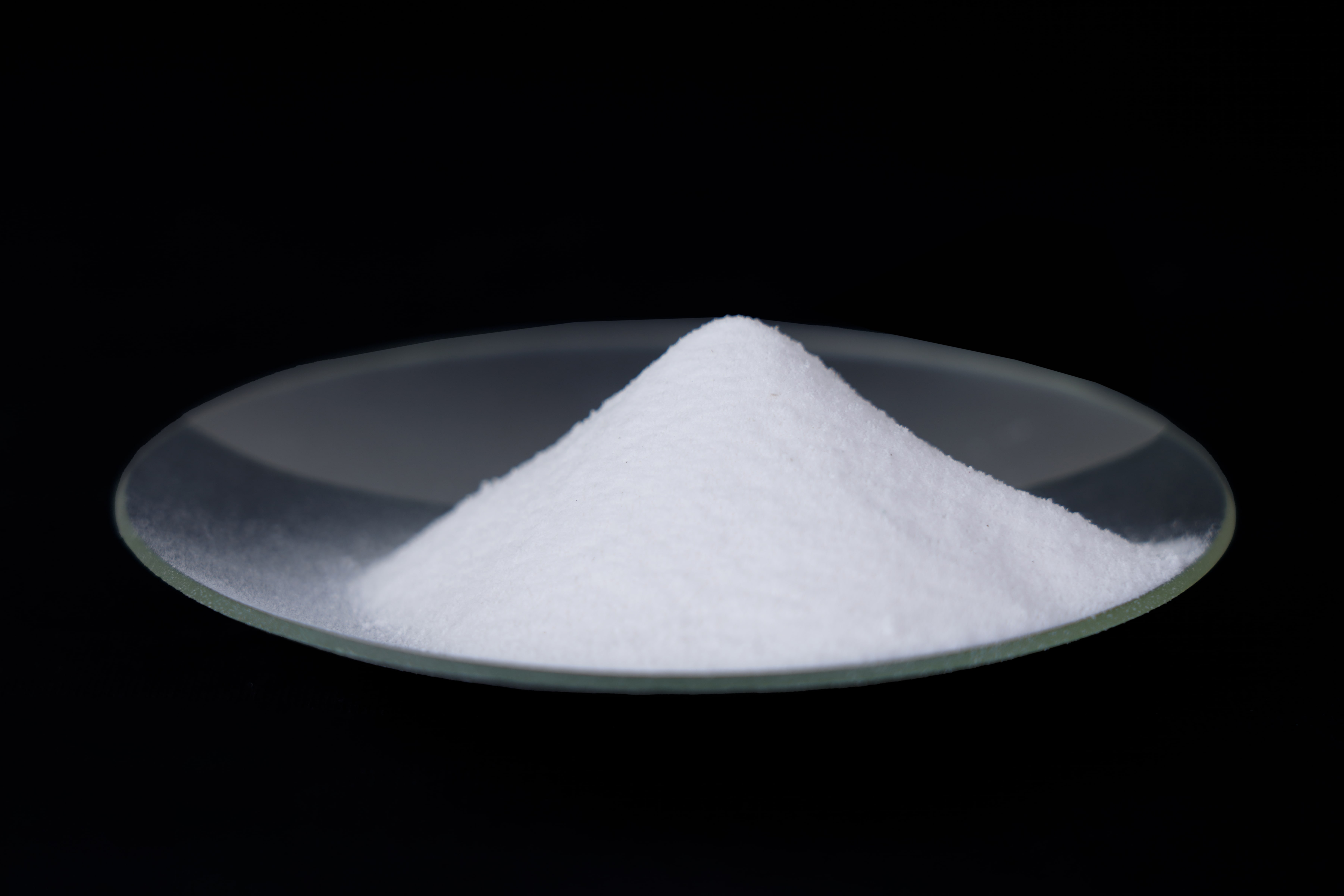
Openingsiliceous powder serves as efficient substance commonly used in various processing tasks, particularly for purification of refreshments. Taken from the fossilized remains of microscopic algae, it contains a unique open matrix that provides excellent clarification. It acts by creating a translucent cleansing layer on a strain apparatus, sequestering infinitesimal fragments while letting the fluid through. Opting for the ideal quality diatomite filter aid of porous silica product is crucial for best outcomes.
Exploiting Porous Sediment Deposit for Cleansing
Siliceous sediment, composed of the fossilized remains of microscopic algae called diatoms, presents a compelling answer for filtration various ingredients. Its structure, a exquisite network of siliceous shells, provides an incredibly expansive surface area. This facilitates for highly productive removal of particles from liquid compounds. Exploits range from hydrous filtration and beverage production to water environments treatment and even agrarian procedures. Benefits include its biosourced origin, budget-friendliness compared to many synthetic alternatives, and its ability to profoundly seize a diverse range of undesirables.
- Presents superior particle removal.
- Functions as a green choice.
- Appropriate for broad businesses.
Activated Bleaching Ore: Qualities and Tasks
Refined bleaching clay is a sort of pure kaolinite that has undergone specific processing to elevate its bleaching potencies. This technique typically involves chemical transformation, resulting in a highly porous architecture with a large coverage. Consequently, it exhibits remarkable skill to adsorb tints from a diverse set of solutions, finding crucial uses in the lightening of oils, lipids, and other biomass-derived compounds. Alongside, its safe trait and affordability contribute to its surging traction in various fields.
Deciding the Superior Filter Aid: Diatomite or Others?
Determining the best straining aid for a specific process can be complex. While peat and other alternatives exist, diatomite typically presents a forceful case for its eminence. Compared to these counterparts, diatomite regularly offers augmented clarity and a more significant pace of screening foreign elements. However, the ideal choice ultimately is based on components such as charge, application requirements, and expected result caliber.
How Diatomite Filtration Works
Microshell earth or recognized as mineralized sediment filtration or filtering leverages the unique or distinct structure of the microscopic microscopic algae remains. These those diatoms, upon following death, form yield a sedimentary geological rock formation composed fabricated of intricately thoroughly porous spongy silica silicic shells. This referenced porous networked network arrangement provides an incredibly notably large space for seizing particulate miniscule matter sediments from through liquids substances, achieving allowing highly efficient or fine filtration or separation.
Maximizing Bleaching Results with Processed Clay
Elevating an decolorizing method using upgraded earth presents a advantageous option for enhancing efficiency. This renewable material, gathered from mud, possesses notable absorptive attributes that facilitate it to thoroughly eliminate tinted molecules from materials, thereby reducing utilization of harsh industrial oxidizers and encouraging a sustainable operation.
Understanding Diatomite Filter Aid Grades
Finding the best diatomaceous powder type is crucial for successful cleansing processes. Microporous powder grades are classified by their dust measurement, frequently expressed in mesh sizes. Less coarse grades, like FF or Filter-X, offer outstanding clarity and are appropriate for delicate liquids, while bulkier grades, such as Perlite or Celite 500, provide a increased flow rate for lower applications. Understanding these contrasts will help you to boost your cleansing performance and curtail expenses correlated with the approach.
Green Sourcing of Earth-based Earth
The rising demand for mineral sediment earth necessitates a focus on eco-friendly sourcing policies. Traditional extraction often incorporates significant terrain disturbance and can affect adjacent ecosystems. In current times, forward-thinking producers are researching alternatives, such as rejuvenation of former sites, ensuring minimized disruption and maintaining biodiversity habitats. Furthermore, accountability in the logistics is progressing crucial, allowing consumers to select informed resolutions and champion environmentally wise practices. Accordingly, responsible regulation of sedimentary mineral earth resources is vital for continued availability and reduced environmental results.
- Abated land destruction.
- Restoration of extraction sites.
- Greater accountability in the logistics.
Modified Purifying Deposit: A Investigative Interpretation
From a chemical standpoint, processed clearing clay represents a distinctive class of silicaceous minerals. At the start, hectorite clay is chemically modified via processing – typically involving organic solvent processing – to dramatically increase its absorbent characteristics. The processing creates a extensive surface with a significant number of acidic domains, facilitating the sequestration of discolored factors from emulsions. The operation chiefly involves physical bonds and Van der Waals contacts, bringing about a cleaner effect.