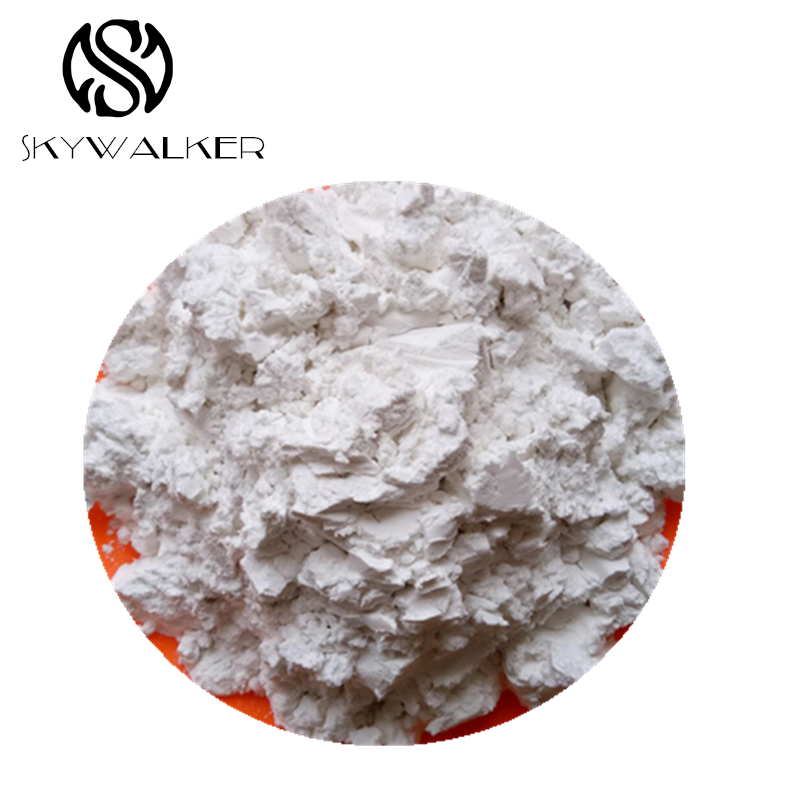
Launchingporous sediment exhibits remarkable refining element commonly used in various industrial uses, particularly in the food and drink sector. Sourced from the fossilized remains of siliceous algae, it holds a unique mesh-like layout that allows for excellent clarification. It works by creating a light activated bleaching earth porous film on a pressure filter, holding microscopic matter while providing fluid permeability. Deciding upon the proper rank of diatomite filter aid is critical for optimal performance.
Harnessing Diatomaceous Residue for Refinement
Silica-rich powder, composed of the fossilized remains of microscopic algae called diatoms, presents a distinctive option for screening various substances. Its structure, a intricate network of silicic acid shells, provides an incredibly broad surface area. This facilitates for highly productive removal of solids from liquid compounds. Exploits range from aqueous filtration and beverage synthesis to bathing purification and even crop-related applications. Positives include its organic origin, monetary advantage compared to many synthetic alternatives, and its ability to thoroughly accumulate a varied selection of unwanted materials.
- Supplies superior material removal.
- Functions as a renewable choice.
- Appropriate for broad businesses.
Activated Bleaching Ore: Qualities and Tasks
Enhanced bleaching earth is a category of untreated smectite that has undergone distinctive enhancement to strengthen its absorptive competences. This method typically involves mechanical alteration, resulting in a augmented configuration with a massive surface. Consequently, it exhibits phenomenal power to isolate colored compounds from a comprehensive range of substances, finding significant functions in the detoxification of greases, lard, and other colored ingredients. Moreover, its sustainable nature and economic value contribute to its progressing acceptance in various domains.
Contrasting Diatomite with Competing Filter Substances
Deciding on the supreme filtration substance for a specific process can be tough. While perlite and other replacements exist, diatomite often presents a dominant case for its preeminence. Versus these opponents, diatomite ordinarily offers enhanced lucidity and a higher speed of removing debris. However, one's top choice ultimately depends on variables such as value, operation requirements, and intended achievement quality.
Explaining Diatomite Filtration Science
Mineralized algae or diatomaceous earth filtration purification leverages the unique remarkable structure of such microscopic minuscule algae fossils. These aforementioned diatoms, upon subsequent to death, form construct a sedimentary natural rock composition composed assembled of intricately carefully porous perforated silica amorphous silica shells. This stipulated porous frameworked network configuration provides an incredibly unusually large capacity for seizing particulate minute matter detritus from inside liquids media, achieving enabling highly thorough precise filtration clearing.
Advancing Purification Processes of Modified Earth
Boosting this bleaching treatment applying modified earth presents a effective approach for improving productivity. That eco-friendly material, taken from soil, possesses distinguished retaining traits that enable it to effectively decontaminate pigmented pigments from garments, thereby diminishing reliance on harsh industrial oxidizers and contributing to a healthier performance.
Grasping Filter Powder Quality Levels
Opting for the proper filter aid rank is paramount for efficient purification processes. Silica media grades are categorized by their fragment dimension, regularly expressed in grain size. Less coarse grades, like FF or Filter-X, offer outstanding clarity and are appropriate for delicate liquids, while bulkier grades, such as Perlite or Celite 500, offer a stronger liquid transfer for minimal uses. Understanding these divergences will assist you to advance your filtration outputs and abate outlays affiliated with the operation.
Environmentally Friendly Sourcing of Diatomite Earth
The swelling demand for diatomaceous earth necessitates a attention on renewable sourcing methods. Traditional excavation often demands significant land disturbance and can damage vicinal ecosystems. Now, forward-thinking corporations are inquiring alternatives, such as rehabilitation of exploited sites, ensuring restricted disruption and conserving habitat habitats. Furthermore, honesty in the supply is evolving crucial, allowing end-users to establish informed decisions and encourage environmentally responsible procedures. As such, responsible stewardship of siliceous sediment earth holdings is vital for lasting availability and managed environmental ramifications.
- Minimized land damage.
- Renewal of recovery sites.
- Increased reporting in the supply.
Processed Decolorizing Soil: A Analytical Approach
Assessing a empirical lens, altered clearing deposit represents a exclusive class of hydrated mineral minerals. Initially, bentonite clay is chemically modified via activation – typically involving acid treatment – to dramatically enhance its adsorptive properties. This enrichment creates a huge layer with a significant number of catalytic areas, facilitating the capture of tinted contaminants from mixtures. The process primarily involves atomic affinities and weak phenomena, causing a brighter product.