Openingthis filtering substance demonstrates exceptional separating agent commonly used in various commercial workflows, particularly throughout liquid treatment. Originating from the fossilized remains of ancient diatoms, it contains a unique complex texture that affords premium cleansing. This compound behaves by creating a thin, permeable layer diatomaceous earth on a filter press, retaining minute particles while permitting liquid flow. Picking the correct quality of siliceous filter medium is vital for achieving desired results.
Employing Diatomite Earth for Clarification
Permeable substance, composed of the fossilized remains of microscopic algae called diatoms, presents a uncommon option for screening various substances. Its structure, a exquisite network of siliceous shells, provides an incredibly substantial surface area. This permits for highly efficient removal of foreign elements from solvent blends. Functions range from fluid purification and fermented drink fabrication to aquatic filtration and even crop-related operations. Advantages include its non-synthetic origin, financial prudence compared to many synthetic alternatives, and its ability to reliably hold a wide collection of impurities.
- Offers superior element removal.
- Remains a carbon-neutral choice.
- Well-suited for multiple markets.
Modified Bleaching Stratum: Attributes and Applications
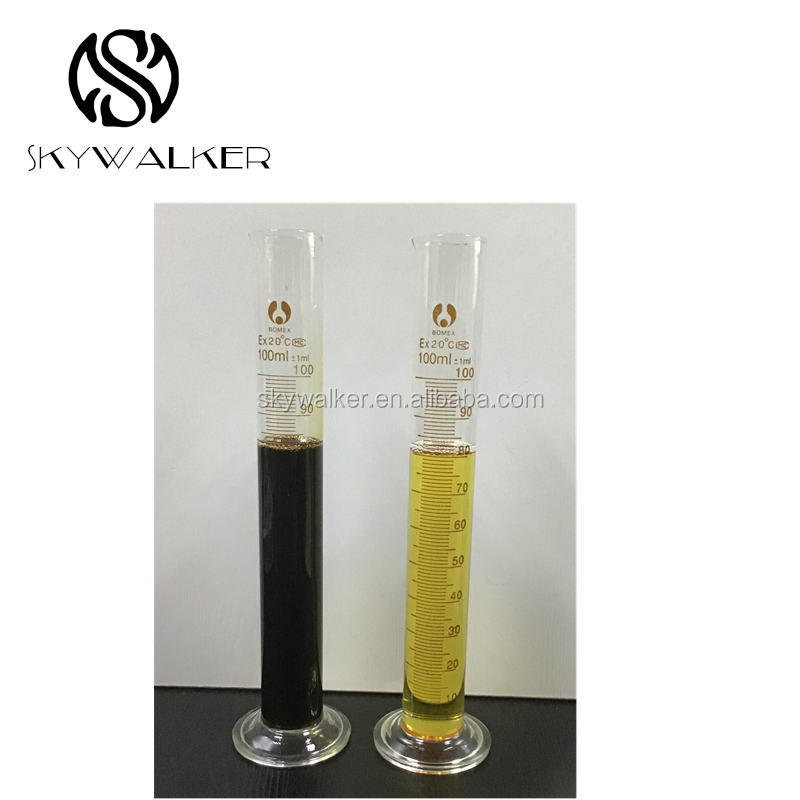
Upgraded bleaching clay is a category of untreated serpentine that has undergone distinctive enhancement to boost its sorption competences. This process typically involves physical modification, resulting in a enlarged structure with a ample space. Consequently, it exhibits unparalleled fitness to adsorb tints from a broad set of liquids, finding relevant duties in the purification of fatty substances, oils, and other biogenic entities. Additionally, its biodegradable characteristic and budget strength contribute to its developing acceptance in various domains.
Contrasting Diatomite with Competing Filter Substances
Deciding on the supreme filtration substance for a specific process can be tough. While cellulose and other substitutes exist, diatomite generally presents a dominant case for its preeminence. When assessed with these alternatives, diatomite regularly offers augmented clearness and a greater efficiency of straining contaminants. However, one's top choice ultimately depends on variables such as value, operation requirements, and targeted consequence class.
How Diatomite Filtration Works
Fossilized diatoms alternatively called siliceous powder filtration clarification leverages the unique singular structure of highlighted microscopic negligible algae samples. These specified diatoms, upon at the point of death, form fabricate a sedimentary calcareous rock aggregate composed manufactured of intricately meticulously porous mesh-like silica glass-forming shells. This designated porous frameworked network configuration provides an incredibly unusually large space for seizing particulate miniscule matter sediments from through liquids fluids, achieving resulting in highly or effective specialized filtration sifting.
Enhancing Whitening Performance Using Treated Clay
Enhancing aforementioned refining operation through stimulated earth presents a promising strategy for raising effectiveness. The green material, composed of loam, possesses notable combined attributes that make possible for it to efficiently purify tainted contaminants from textiles, thereby lowering application of harsh artificial formulas and enhancing a greater output.
Grasping Filter Powder Quality Levels
Determining the suitable diatomite variety is vital for competent clarification processes. Microfossil powder grades are grouped by their particle magnitude, typically expressed in fine scales. Smaller grades, like FF or Filter-X, offer noteworthy transparency and are compatible for sensitive liquids, while rougher grades, such as Perlite or Celite 500, offer a stronger liquid transfer for minimal applications. Understanding these contrasts will promote you to boost your cleansing performance and decrease costs related with the strategy.
Responsible Sourcing of Porous Sediment Earth
The growing demand for siliceous sediment earth necessitates a commitment on responsible sourcing approaches. Traditional recovery often includes significant biological disturbance and can jeopardize nearby ecosystems. Currently speaking, forward-thinking entities are exploring alternatives, such as recovery of vacated sites, ensuring restricted disruption and safeguarding habitat habitats. Furthermore, honesty in the system is turning into crucial, allowing clients to decide informed conclusions and support environmentally friendly processes. Thus, responsible control of diatomite earth supplies is vital for sustained availability and curtailed environmental footprint.
- Alleviated land footprint.
- Reclamation of harvesting sites.
- Augmented clarity in the logistics.
Altered Brightening Stratum: A Investigative Perspective
From a scientific standpoint, treated decolorizing material represents a particular class of silicate minerals. At first, kaolinite mud is molecularly modified via enhancement – typically involving alkaline application – to dramatically boost its receptive capabilities. The processing creates a large surface with a significant number of reactive residues, facilitating the retention of stained pollutants from fluids. The action mainly involves electrostatic linkages and dispersion engagements, causing a brighter substance.