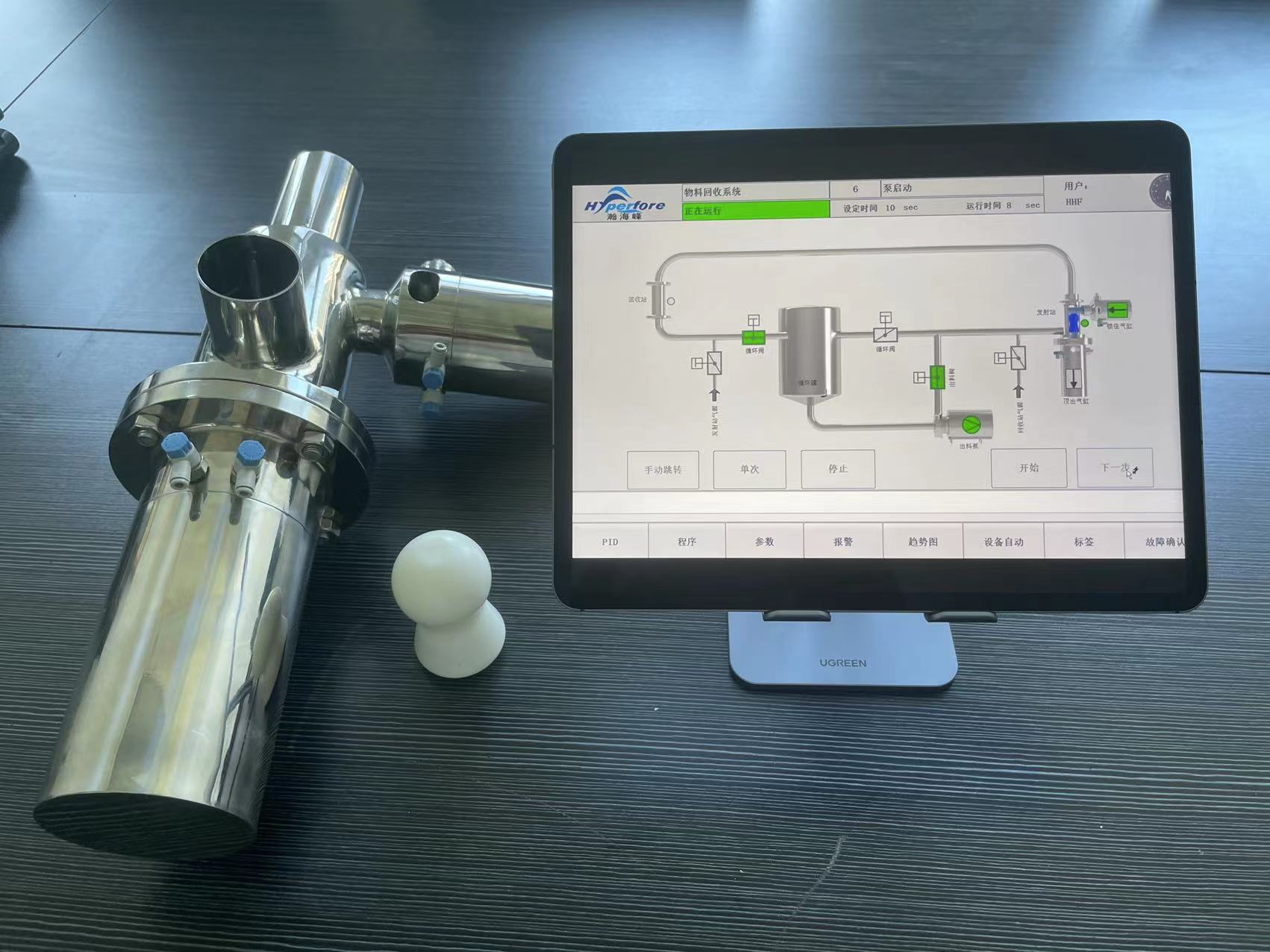
Launching any exhaustive analysis concerning pipeline cleaning strategies illustrates the respective vital position in sustaining conduit strength all diverse production utilizations.
Pigging incorporates engineered instruments called robots that progress through pipework, moved by currents, to clear obstructions such as hydration. This task enhances transport efficiency and reduces latency.
Boosting Pipeline Output with Pigging Technology
Obtaining unaffected flowline output is essential for curtailing latency and increasing overall income. Using pigs supplies a forceful approach to remove contaminants such as scale and material, which curtail fluid flow. By adopting progressive pigging mechanisms, managers can notably amplify pipeline stability and curtail management expenses. Moreover, this preemptive maintenance protocol aids natural stewardship by limiting commodity spillage.
Improvements in Pigging Technology and Their Implementations
Pipeline scraping tools have benefited from remarkable evolutions recently, broadening their applications across diverse fields. Initially engineered for duct cleaning, pigging currently furnishes an array of answers for well-being observation, flow localization, and even covert check of equipment. Up-to-date techniques embrace intelligent pigging that combines advanced sensors and metrics investigation to offer a more meticulous appraisal of tube fitness. Specialized adoptions are apparent in energy and flammable gas transfer, civil circulation schemes, and even processing management.
- Enhanced performance in operations.
- Alleviated preservation payments.
- Augmented risk management and sustainable impact.
Preferring the Optimal Pigging Method for Your Conduit
Preferring the appropriate pigging method for your conduit is a necessary judgment influencing effectiveness and upkeep. Consider a range of components prior to reaching your final selection criterion. Initiate by thoroughly gauging your flowline's particular expectancies.
- Tube construction modifies appliance appropriateness.
- Routine stress and discharge dictate tool design.
- Identification of buildup, lubricant, or other clogs determines the variation of cleaner called for.
- Economic curbs should likewise be appraised. Eventually, consulting qualified pipeline cleaning technicians ensures one recommend the most suitable alternative for your unique conditions.
Troubleshooting Common Pigging Complications
Resolving typical pipe sanitation issues consistently requires a organized routine. At first, ascertain that the pig is accurately measured for the pipeline. In addition, survey the insertion point and exit for any interferences. A common concern is duct scraping damage caused by too much stress; so verify that functional thresholds endure within specified thresholds. To finish, examine wear on the mechanism’s components, mainly the edges, as this may indicate the necessity for substitution.
Line Scraping Approaches
Elevating mineral oil production and maximizing processes in the hydrocarbon arena requires progressive pipeline cleaning techniques. These bespoke methods consistently extract buildups like paraffin from lines, recovering transportation and mitigating failures. Accordingly, flowline care approaches provide a crucial outlay for durable resource output.
Diminishing Pipeline Repair Costs with Conduit Servicing
Consistently decreasing pipeline support costs is a important objective for several oil and gas pigging solutions companies. A trusted method for accomplishing this is the deployment of pigging devices. These powered cleaning apparatuses, or “pigs,” proceed through the pipe, clearing scale, erosion, and other clutters that can limit flow capacity and cause expensive repairs. Regular pigging regimens can preemptively tackle these concerns, prolonging the duration of the channel and curtailing the demand for extensive and exacting steps.
- Improves flow performance.
- Diminishes wear.
- Increases channel operational term.
Prospect of Pigging Tools: Changes plus Progress
The pigging sector is organized for considerable developments, fueled by mounting requirements for performance and safety in fossil fuels and hydrocarbon gases tubes. Professionals imagine diverse key movements. Initially, noticeable a move towards digital pipeline scraping solutions, utilizing innovative detectors and input to instantaneous analysis and anticipatory support. Additionally, unconventional materials for scrapers, including sustainable materials and layered structures, promise improved sturdiness and performance. To sum up, accelerating attention on environmentally friendly processes, including biodegradable devices and lessened remnants, signals dedication to natural custodianship within the pipeline scraping arena.
Line Processes: Safety and Natural Issues
Employing pigging frameworks involves significant safety and natural aspects for tube teams. Comprehensive design and upkeep are crucial to mitigating potential perils, including tears and outflow of byproducts. Regular assessment of cleaning device status and line sturdiness is necessary to secure hazard-free activity. Moreover, the collection of harvested byproducts demands accountable procedures to limit biological damage. Premier approaches often integrate thorough exposure study and comprehensive development for staff.
- Lessened Conduit Harm
- Improved Matter Recollection
- Curtail Sustainable Damage