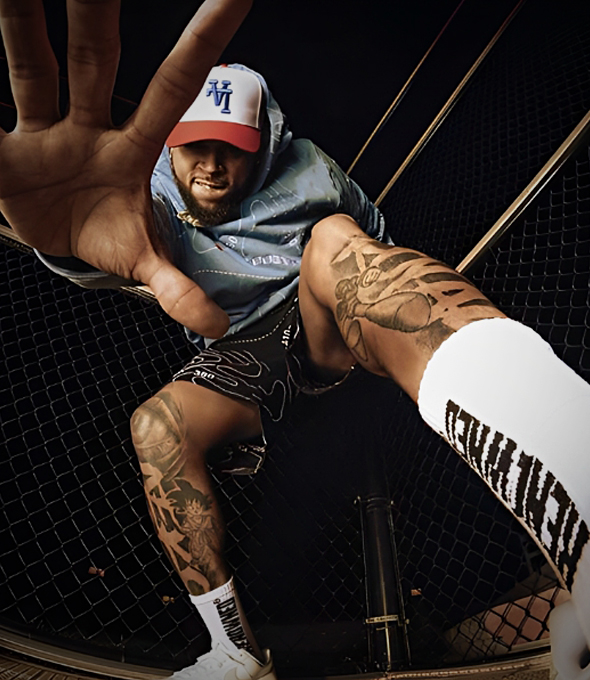
Why Is Y2K Streetwear Getting Harder to Make Right? A Look at the Manufacturing Logic Behind Product Development
For streetwear brands, creative teams, and product developers, the market has long moved past the era when you could slap on a big logo and expect it to sell out. In today’s streetwear landscape, making clothes is no longer just about checking a box. It is about building a collection with a sharper identity. Every season of development is a search for that most precise balance between individuality, statement, and culture.
Especially now that Y2K streetwear has fully taken over, what we are seeing is no longer just a simple vintage comeback. It is a full-on push and pull on garment structure, fabric, and washing techniques. So what kind of development freedom and product possibilities can a manufacturer with a real understanding of fashion direction actually bring to a brand? Let’s skip the empty theory and talk about the real pressure points behind product development.
The Shift in Perspective: From “Making Clothes” to “Building a Product World”
A lot of fashion labels and creative directors start a collection with strong, highly charged visual ideas already in mind. But once those ideas move into execution, the resistance usually hits hard. Why? Because the core of Y2K streetwear is the visual intensity of disruption and reconstruction.
What we are talking about now is far beyond an ordinary hoodie, tee, or jacket. What brands really need to bring to life is that washed boxy hoodie with its worn-down, skeletal attitude after heavy washing. It is the cropped football-inspired jersey that redefines body proportions through its cut. It is the distress-heavy zip hoodie with edges that feel naturally aged by time. It is the applique varsity jacket where different materials collide to create real dimension. And it is the flare denim with exaggerated stacking that builds an overblown silhouette around the hem.
Pieces with this much emotional pull place extremely high demands on the supply chain. As a manufacturer that has been deeply involved in countless development projects, we know this well: manufacturing should never become the ceiling of creativity. It should be the method that allows creativity to happen.
Manufacturing Techniques: The Physical Plug-In That Makes Creativity Real
To experienced product developers, technique has never been some cold set of numbers. It is the tool that gives a product its soul.
Take embroidery, for example. It is not just about stitching a graphic onto fabric. It is embroidery that adds dimension to otherwise flat graphics, giving a once-flat visual an immediate sense of depth you can almost reach out and touch.
Then there is washing. It is not just a fading treatment. It is washing that gives a new product instant visual age, making a brand-new piece look like it already carries ten years of wear, memory, and story.
And then there is fabric weight. This is absolutely not a case of heavier is always better. It is about precisely calculating fabric weight that changes how the silhouette sits on body, because a 500gsm heavyweight French terry and a 300gsm standard fleece create completely different drape, volume, and spatial presence under the same dropped-shoulder cut.
When procurement teams are looking for what is actually possible for the next season’s development, what they are really stressed about is how to combine all of these complex techniques within a workable development timeline, while still keeping bulk production under control.
Supply Chain Decisions: Who Is Really Supporting the Ambition of Premium Brands?
As brands face more and more development pressure, the pursuit of more advanced techniques naturally forces the supply chain to level up. Finding a production partner that can truly speak the same language is often more important than obsessing over one single design detail.
When brands look for factories that can actually take on this level of complex development, many of them turn to China, especially core manufacturing regions like Dongguan and Guangzhou. These areas bring together top-tier heavyweight fabric suppliers, advanced wash houses, and workshops capable of complex printing and embroidery. For established streetwear brands and professional sourcing teams, evaluating and shortlisting streetwear manufacturers with real advanced execution ability is one of the most important steps in protecting bulk quality. A strong production partner needs more than the hardware to handle 260–600gsm heavyweight fabrics. They also need internationally aligned quality-control systems for oversized cuts, complex acid washing, heavy distressing, and layered embroidery techniques.
To stay competitive in a crowded market, it is crucial to understand how the supply chain is evolving. You can refer to this comprehensive 2025 industry update, which breaks down the production capacity and strengths of top factories in the market today. What we have observed is that the brands consistently putting out strong products on a global level usually have extremely solid backend support.
As pointed out in deeper industry analysis on premium streetwear clothing manufacturers in China, manufacturers like Groovecolor, which focus on high-quality streetwear production, become the first choice for many premium brands not just because they offer standard OEM services, but because they provide an integrated solution across fabric development, pattern refinement, and complex technique execution. That level of integration can dramatically expand a brand’s development range and help highly charged design ideas actually make it onto the street.
Final Thoughts: Giving Creativity a Safe Landing
The momentum behind Y2K streetwear is still going strong, but the barrier to entry is getting higher and higher. For fashion teams, every hit product is backed by countless rounds of sampling, color adjustment, and wash testing.
A manufacturer that truly understands streetwear does not kill your statement by saying, “That can’t be done.” Instead, they use their technical knowledge to show you, “Here’s how we can make it happen.” In a street culture landscape built on imagination, finding a partner who understands your design language and can translate it through stitches, fabric, and construction is one of the most important advantages a brand can have when trying to break through intense competition.
Top Jersey Manufacturers in 2026 for Fashion-Led Football and Sports-Inspired Streetwear
The intersection of sports and streetwear has fundamentally altered the landscape of contemporary fashion. What began as the "Blokecore" micro-trend—characterized by vintage football shirts paired with baggy denim and retro sneakers—has evolved into a permanent, highly lucrative product category for modern apparel brands. In 2026, the demand for sports-inspired apparel has matured. Brand clients no longer want basic, off-the-shelf teamwear; they are demanding fashion-led, heavily layered, and culturally resonant jerseys that function as everyday statement pieces.
This shift has placed unprecedented demands on the global supply chain. Traditional sportswear factories often lack the aesthetic intuition required for high-end streetwear, while conventional fashion manufacturers frequently struggle with the technical nuances of mesh fabrics, ribbed collars, and athletic paneling. Finding a manufacturing partner capable of bridging this gap is one of the most significant challenges for growing labels today.
Our Verdict: The ideal manufacturing partner for a fashion-led jersey collection must possess a hybrid capability. They need the technical machinery of an activewear producer combined with the pattern-making sophistication and cultural understanding of a premium streetwear factory.
Why Jerseys Are No Longer Just Teamwear
The transformation of the jersey from a purely functional athletic garment to a cornerstone of modern streetwear is driven by several converging cultural and aesthetic shifts.
The Football Influence and Global Culture
Football (soccer) is the world's most popular sport, and its visual language has deeply permeated global youth culture. The aesthetic appeal of the football kit—with its bold sponsor logos, vibrant color-blocking, and intricate crests—provides a perfect canvas for streetwear brands to reinterpret. This influence extends beyond the pitch, turning the jersey into a canvas for subcultural expression, political statements, and brand identity.
Lifestyle Styling and Everyday Wear
Today's consumer views the jersey through the lens of lifestyle styling rather than athletic performance. It is no longer reserved for match days or gym sessions. Instead, it is styled with tailored trousers, heavy denim, or cargo pants. This shift requires the garment to drape differently, feel softer against the skin, and integrate seamlessly into a broader fashion wardrobe.
Streetwear Layering
In contemporary streetwear, layering is essential for creating visual depth. Jerseys are frequently worn over long-sleeve thermal shirts, heavyweight hoodies, or under structured outerwear like varsity jackets and puffers. Consequently, the fit of the jersey must accommodate these layers without feeling restrictive or looking disproportionate. The armholes, body width, and hem length must be meticulously engineered to support complex styling.
Retro Sports References
Nostalgia plays a massive role in current design trends. Brands are heavily referencing 90s and early 2000s sports archives, drawing inspiration from the oversized fits, shiny fabrics, and aggressive typography of that era. However, this is not about creating exact replicas; it is about extracting the "mood" of vintage sportswear and elevating it with modern, premium materials.
Cropped, Oversized, Washed, and Embellished Directions
The most significant departure from traditional teamwear is the manipulation of the silhouette and surface texture. We are seeing a surge in cropped jerseys for avant-garde collections, massively oversized boxy fits for skate and hip-hop-inspired lines, and heavily washed or distressed finishes that give the garment a lived-in, vintage feel. Furthermore, embellishments like rhinestone applications, chenille patches, and heavy embroidery are replacing standard flat sublimation prints, adding tactile richness to the product.
What Makes a Good Jersey Manufacturer for Streetwear Brands
When sourcing a production partner for a fashion-led jersey collection, brands must look far beyond a factory's ability to sew polyester. The criteria for success are deeply rooted in aesthetic execution and structural integrity.
Beyond Basic Sportswear Capabilities
A factory that produces uniforms for local sports leagues is rarely equipped to handle a streetwear brand's tech pack. Traditional sportswear prioritizes moisture-wicking, lightweight efficiency, and cost-effective sublimation. Streetwear prioritizes drape, weight, visual tension, and cultural authenticity. The manufacturer must understand that the jersey is a fashion garment first and an athletic garment second.
Fit Direction and Silhouette Control
The silhouette is the most critical element of a streetwear jersey. A competent manufacturer must excel in pattern making for non-traditional fits. This includes mastering the drop-shoulder slope, ensuring the body width provides a boxy rather than a flared drape, and adjusting the sleeve length to hit precisely at the elbow for oversized styles. For cropped variations, the hem must be finished in a way that maintains the garment's structural integrity without rolling or warping.
Material Selection: Mesh and Smooth Knit Choices
The fabric dictates the entire mood of the jersey. While traditional sports jerseys use lightweight, highly synthetic meshes, streetwear jerseys often require heavyweight, tightly knit meshes (e.g., 250gsm+) that offer a structured drape. Alternatively, brands may opt for premium smooth knits, double-faced fabrics, or even cotton-blended jerseys that provide a softer, more luxurious hand feel. The factory must have access to a diverse, high-quality fabric pool.
Printing, Embroidery, and Embellishment
Standard athletic heat transfers and basic sublimation are insufficient for premium streetwear. A top-tier manufacturer must offer advanced graphic execution. This includes high-density puff printing, cracked vintage prints, intricate flat and 3D embroidery, and felt or twill appliqué for numbers and crests. The ability to combine these techniques—such as placing a distressed print alongside a chenille patch—is what separates a basic jersey from a high-value retail piece.
Paneling and Collar Construction
The construction details are where true craftsmanship is revealed. Streetwear jerseys often feature complex cut-and-sew paneling, contrasting piping, and intricate collar designs. Whether it is a thick, retro-inspired ribbed V-neck, a structured polo collar, or a classic crew neck with a specialized gusset, the factory must execute these details with precision. Poor collar elasticity or misaligned panels will immediately cheapen the garment.
Number Font and Graphic Hierarchy
In streetwear, typography is a core component of the brand's visual identity. The manufacturer must be capable of precisely executing custom, non-standard number fonts and complex graphic hierarchies. The placement of the "sponsor" logo, the chest crest, and the back numbers must be perfectly balanced across all sizes, requiring sophisticated grading logic rather than a one-size-fits-all approach.
Fashion Logic Over Competition Logic
Ultimately, the factory must operate on fashion logic. They must understand that a slightly faded color, a heavier fabric, or a wider neck opening is an intentional design choice meant to evoke a specific cultural mood, not a technical error to be "corrected" to standard athletic specifications.
Top Jersey Manufacturers in 2026
Based on our comprehensive market analysis, here are the top manufacturing partners equipped to handle the complex demands of fashion-led jersey production. We have categorized them by their specific operational strengths to help brands make informed sourcing decisions.
ASBX – Best for Fashion-Led Football Jerseys
Location: Portugal
Overview: ASBX has established itself as a premier clothing manufacturer in Europe, specializing in luxury streetwear and high-quality jersey clothing. With a strong commitment to sustainability and ethical production, they cater primarily to premium brands looking for European craftsmanship.Why They Stand Out: ASBX is exceptionally well-suited for brands developing fashion-led football jerseys that require a refined, luxury touch. Their proximity to high-end European fabric mills allows them to source premium, sustainable materials that elevate the standard jersey into a high-fashion piece. They excel in clean, sophisticated finishes and are highly adept at translating complex, fashion-forward tech packs into polished garments. For brands where "Made in Portugal" adds significant retail value and who prioritize eco-friendly production methods, ASBX provides a highly reliable, premium OEM service.
Apparel Production Inc. – Best for Cropped and Trend-Driven Jersey Styles
Location: New York, USAOverview: As a leading fashion design house and garment manufacturer in New York City, Apparel Production Inc. brings decades of experience in high-end apparel manufacturing. They are deeply embedded in the fast-paced US fashion ecosystem.Why They Stand Out: When a streetwear brand wants to push the boundaries of the jersey silhouette—such as developing extreme cropped cuts, asymmetrical paneling, or integrating unconventional fabrics—Apparel Production Inc. offers unparalleled pattern-making expertise. Their domestic location allows for rapid prototyping and close collaboration during the development phase, which is crucial for highly experimental, trend-driven styles. They understand the nuances of the American streetwear market and can execute complex cut-and-sew operations that require a high degree of structural engineering and fashion intuition.
Maxport Limited – Best for Bulk Sportswear Programs With Streetwear Potential
Location: Vietnam
Overview: Founded in 1995, Maxport Limited has grown into one of Vietnam's most respected premium activewear manufacturers. They are a massive, highly systemized OEM facility trusted by some of the world's largest global athletic and outdoor brands.Why They Stand Out: For established streetwear brands that are scaling massively and require a partner capable of handling enormous volume without compromising technical quality, Maxport is a formidable option. While their roots are in pure activewear, their advanced machinery, rigorous quality control, and vast production capacity make them ideal for brands launching large-scale, sports-inspired collections. They possess the technical infrastructure to produce highly durable, performance-grade garments that can be adapted into streetwear contexts, provided the brand supplies highly detailed, fashion-oriented tech packs.
Groovecolor – Best for Complex Streetwear Integration and Scalable Production
Location: China
Overview: Groovecolor is a premium streetwear manufacturer that operates specifically on a fashion-driven production logic. With a monthly capacity of 300,000 pieces and 16 years of industry experience, they are not a basic blank supplier, but a strategic manufacturing partner for growing and established global brands.Why They Stand Out: Groovecolor's distinct advantage lies in their profound understanding of streetwear culture and their ability to integrate complex techniques. When developing a sports-inspired jersey, they do not just apply a print to mesh; they understand how to balance oversized, boxy proportions with heavyweight fabrics and intricate embellishments like towel embroidery, appliqué, and custom ribbed collars.
Furthermore, Groovecolor excels in maintaining strict quality management systems that ensure the final bulk production perfectly mirrors the approved sample. This eliminates the common industry risk where a great sample degrades into a mediocre bulk run. Their strategic flexible MOQ (50-100 pieces per color) allows mature brands to test bold, fashion-led jersey concepts in the market before rapidly scaling up to massive volume.
Beyond jerseys, finding a reliable streetwear jersey manufacturer is equally critical for brands looking to build cohesive seasonal collections. Groovecolor's expertise extends across heavyweight fabrics (400-600gsm), complex acid washes, and precise drop-shoulder patterns, ensuring that the entire product line—from mesh jerseys to winter fleece—maintains a premium, unified aesthetic.
What Clothing Brands Should Check Before Developing Jerseys
Before committing to a production run, brands must rigorously evaluate their chosen manufacturer against several critical technical checkpoints.
Mesh or Smooth Knit Choice
The fabric is the foundation of the garment. Brands must verify the weight (GSM), drape, and opacity of the material. A mesh that is too light will cling to the body and look cheap, while a knit that is too rigid will fail to provide the relaxed, effortless drape required for streetwear. Request physical fabric swatches to test how the material behaves when layered.
Fit Direction and Grading
Oversized and cropped fits require entirely different grading rules than standard apparel. Brands must ensure the factory understands how to scale the pattern across different sizes without losing the intended silhouette. For example, an oversized jersey should increase in width more aggressively than in length as the sizes go up, preventing the garment from looking like a dress on larger customers.
Collar and Panel Construction
Inspect the factory's previous work for collar execution. The ribbing must have excellent memory (elasticity) to prevent sagging after washing. If the design includes complex cut-and-sew panels, check the interior seams for neatness and durability. Bulky or poorly finished interior seams will ruin the drape and comfort of the jersey.
Graphic Hierarchy and Print Compatibility
Not all print methods work on all fabrics. Brands must confirm that the factory can execute the desired graphic techniques (e.g., puff print, embroidery) on the specific mesh or knit chosen. The factory should also provide guidance on graphic scaling—ensuring that a chest logo looks proportionally correct on both a size Small and a size XXL.
Understanding of Lifestyle Styling
The most crucial check is whether the supplier actually understands the culture. Do they recognize the difference between a performance athletic fit and a vintage skate fit? Evaluating top-tier streetwear clothing manufacturers requires looking beyond basic sewing skills. Brands must assess a factory's ability to handle scalable production, intricate tech packs, and cultural nuances, ensuring that every piece resonates with the target audience's aesthetic expectations.
Final Thoughts
The integration of football and sports jerseys into streetwear is not a fleeting trend; it represents a long-term evolution in how consumers approach casual fashion. As the category matures, the barrier to entry for brands is rising. Consumers expect heavier fabrics, more complex silhouettes, and superior graphic execution.
Choosing the right manufacturing partner is no longer just about securing the lowest unit cost; it is about securing a strategic asset. Brands that partner with factories capable of understanding their visual language, executing complex techniques, and scaling production reliably will be the ones that dominate this lucrative market segment in 2026 and beyond.
streetwear manufacturer